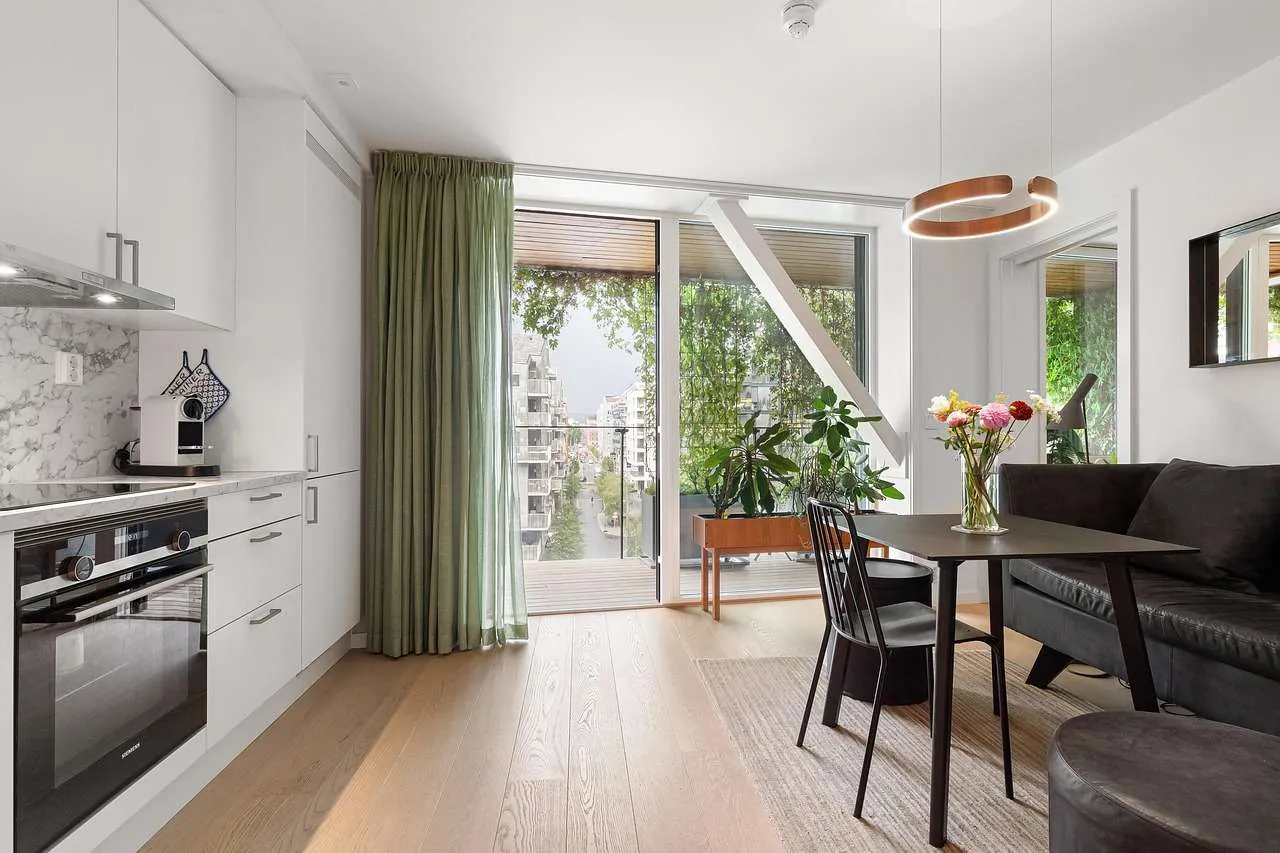
Window
February 6, 2026
Home Window Repair: Practical Guide to Fixes
By Daniel
4 min read
When a window won't close, leaks, or fogs up, homeowners search for reliable guidance on home window repair. This guide explains how to identify common problems, evaluate repair options, and decide when to DIY or hire a professional. Prioritizing safety, accuracy, and cost effectiveness helps protect your home and your budget while improving energy performance.
DIY vs Professional: When to Fix It Yourself
Many minor issues can be resolved with basic maintenance, weatherstripping, or sealant. More complex problems—cracked glass, a warped frame, or broken sashes—benefit from a licensed window repair specialist. Before starting any repair, ensure you know the risks and local building codes.
- Minor weatherstripping or caulking is often a straightforward DIY fix with materials from a hardware store.
- Cracked glass, warped wood, or damaged hardware typically requires professional replacement due to safety and warranty concerns.
- Window energy upgrades, such as replacing panes with low emissivity glass, may improve efficiency but usually need an installer.
Common Window Problems
- Air leaks and drafts from faulty seals or misaligned sashes.
- Visible condensation or fog between double glazed panes, signaling a failed seal.
- Cracked or chipped glass that compromises safety and insulation.
- Stuck or hard to operate sash due to worn balance systems or tracks.
- Damaged hardware such as hinges, locks, or balance cords.
- Wood frame rot or frame warping from moisture exposure.
DIY Assessment and Basic Fixes
Safety first: unplug any adjacent blinds or motors and use a sturdy ladder. Wear gloves and eye protection. Start with a simple inspection to decide whether a DIY fix is appropriate.
- Inspect seals and caulk around the frame to identify air leaks and water intrusion.
- Check the sash balance and hardware for looseness or stiffness.
- Clean tracks and lubricate hinges to improve operation and reduce wear.
- Replace worn weatherstripping to reduce drafts and improve comfort.
- For glass issues, measure the pane precisely and determine if replacement is feasible; for larger panes or specialized glass, consult a pro.
Costs and What to Expect
Repair costs vary by type of issue, window size, and glass type. The following table provides typical ranges per window and practical notes. Prices are for general guidance and can differ by region and contractor.
| Repair Type | Typical Cost per Window | Notes |
|---|---|---|
| Weatherstripping and caulking | $20–$60 | Low-cost maintenance to stop drafts |
| Glass pane replacement | $100–$300 | Depends on size and glass type |
| Sash or hardware repair | $150–$500 | Balance, hinges, or pulleys |
| Frame repair (wood rot) | $200–$1,000 | May require carpentry and repainting |
| Full frame replacement | $800–$2,000 | Severe damage or outdated construction |
Choosing a Window Repair Professional
When repair work exceeds DIY scope, selecting the right pro is essential for safety and long-term performance. Look for:
- Licensing and insurance that cover window repair work and potential damages.
- References and a portfolio showing completed projects similar to yours.
- Multiple written estimates and a clear scope of work with materials and warranties.
- Transparency about lead times, disruption to living spaces, and cleanup.
- Warranties on workmanship and glass or hardware replacements; inquire about energy efficiency upgrades if relevant.
For credibility, consider professionals affiliated with recognized groups such as NARI or WDMA, and verify licenses with local authorities. Discuss energy efficiency options, like low-E glazing or argon fills, when replacement is needed.
Maintenance to Extend Window Life
Regular maintenance prevents many common problems and preserves energy efficiency. Build a simple routine around the following tasks:
- Inspect seals and caulk annually and after extreme weather; re-caulk as needed.
- Clean tracks and lubricate moving parts at least once a year to keep operation smooth.
- Repaint or reseal wooden frames to prevent moisture ingress and rot.
- Replace worn weatherstripping and check for moisture buildup around sills.
- Monitor condensation between panes and address drafts promptly to improve comfort and efficiency.
Conclusion: Regular care and timely professional support when required help maximize safety, comfort, and the return on your window investment.
Summary: This article has outlined common problems, repair options, cost ranges, pros and DIY boundaries, plus maintenance steps to extend window life and energy efficiency. By following these guidelines, homeowners can make informed decisions, ensuring safety, value, and lasting comfort.